

Process
This phase involves in-depth research on digital design trends, client needs, and market competition. It includes skill enhancement for the design team and staying updated on industry practices. The goal is to inform subsequent strategic decisions and creative processes.
The steps goes as follows:
1. Digital Design Trends Analysis:
A thorough analysis of current and emerging digital design trends. This includes exploring visual aesthetics, user experience principles, and technological advancements that may impact the design landscape.
2. Client Needs Assessment:
Interviews, surveys, or workshops with clients are conducted to gain insights into their brand identity, target audience, business objectives, and any specific design preferences.
3. Market Competition Analysis:
A thorough examination of the competitive landscape is essential. This involves analyzing the design strategies of competitors, identifying gaps and opportunities, and assessing the visual language used within the industry with analytics tools such as SEMrush.
4. Informing Subsequent Strategic Decisions:
The insights gathered during the research phase play a pivotal role in shaping the overall design strategy. This includes setting design goals, establishing key performance indicators (KPIs), and defining a creative direction that aligns with both client objectives and current market trends.
5. Creative Process Planning:
Armed with a deep understanding of digital design trends, client needs, and market dynamics, the design agency outlines a detailed plan for the creative process. This involves brainstorming sessions, ideation, and concept development based on the acquired insights. The goal is to ensure that the subsequent design iterations are not only visually appealing but also strategically aligned with the project's objectives.

In this phase, the agency produces design assets and marketing materials aligned with the established strategy. This includes branding, website design, and graphics for social media. The design team collaborates with marketing experts to optimize creative outputs. The goal is to deliver visually appealing and impactful digital marketing solutions.
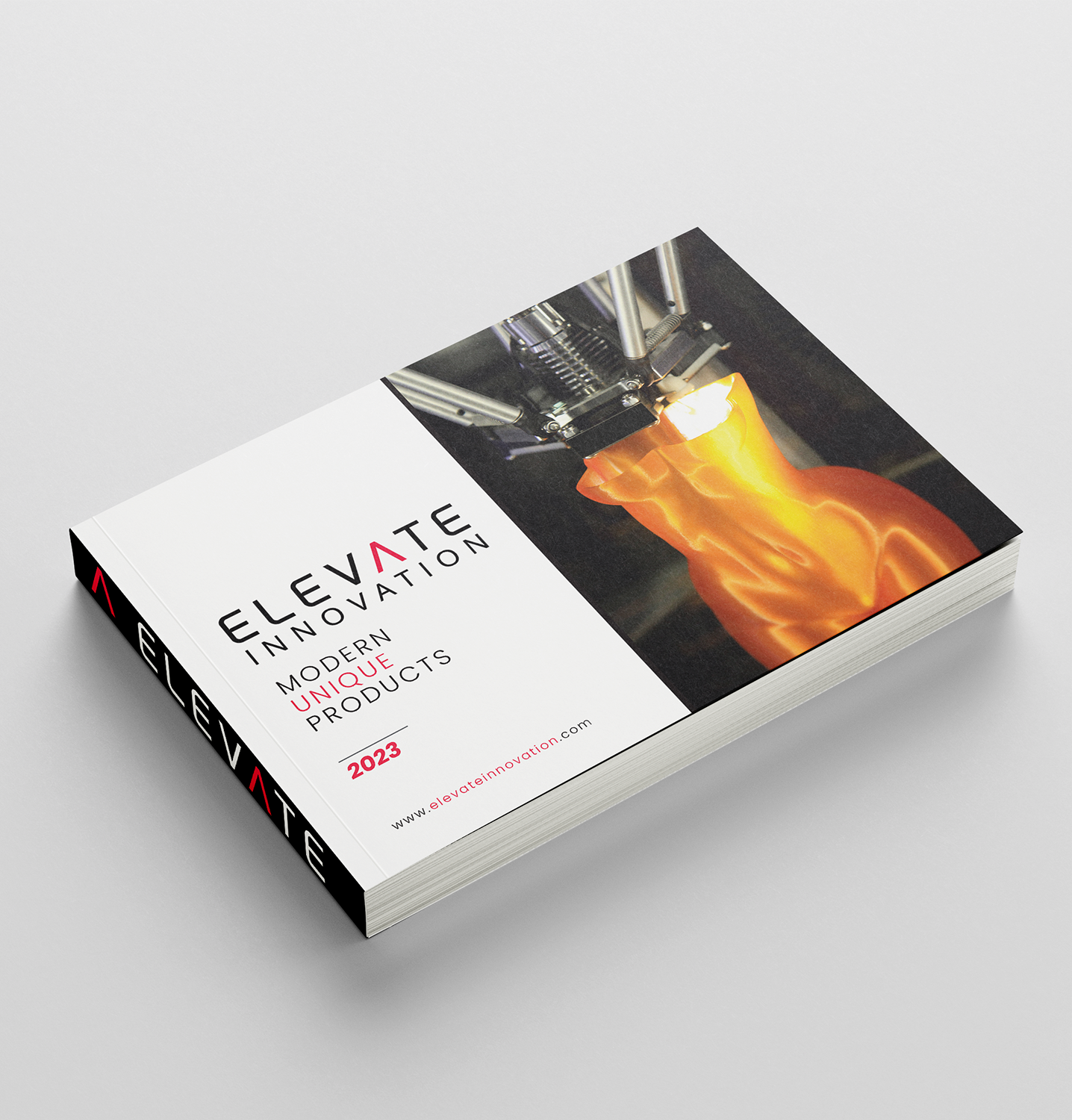
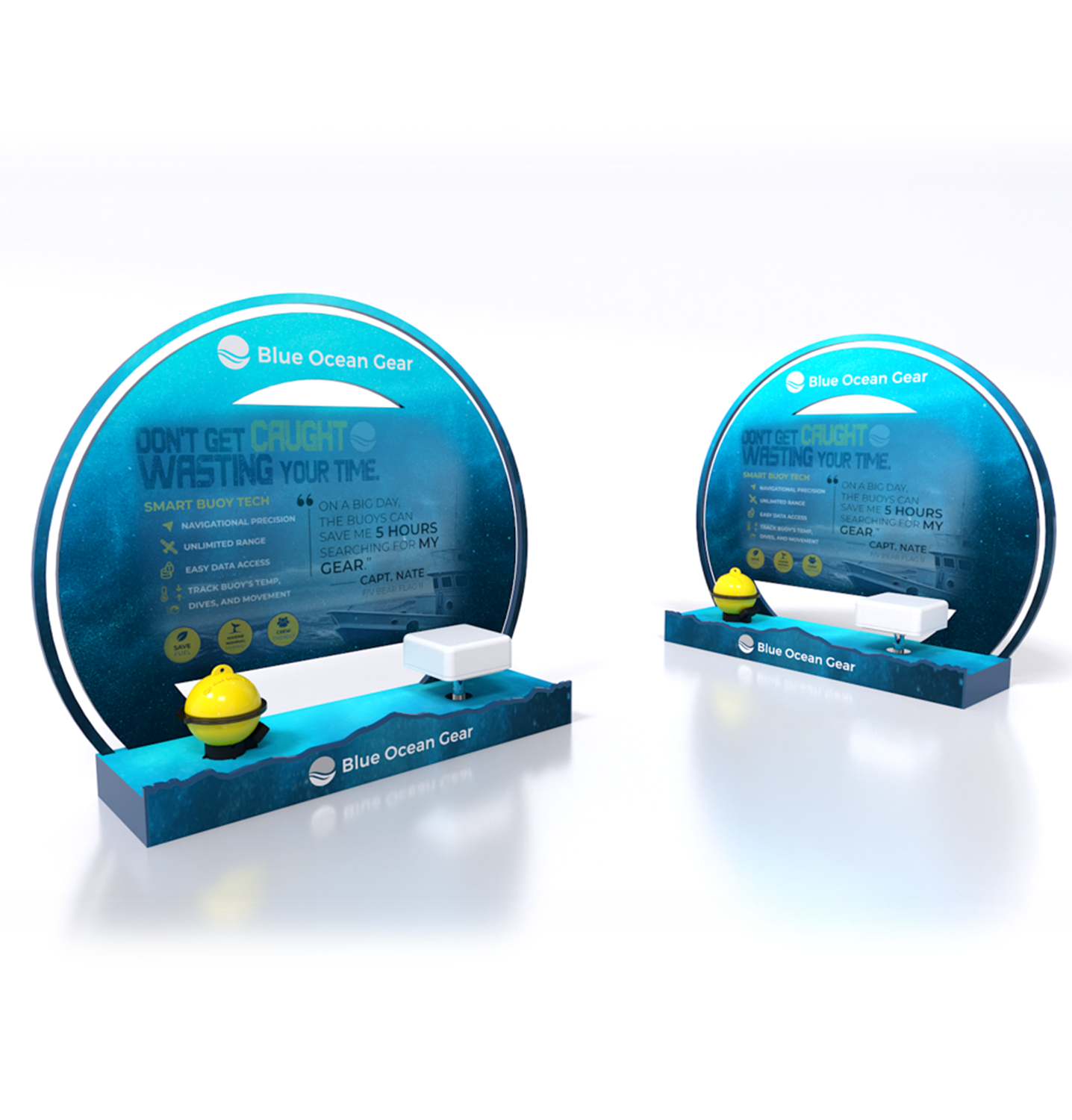
Design Asset Production:The core of the Creation phase involves the actual production of design assets. This includes a wide range of materials such as logos, branding elements, digital and print advertisements, marketing collateral, and other visual content. The design team leverages their creative skills to translate strategic insights into visually compelling and coherent design solutions.
1. Brand Development and Consistency:
We will focus on developing and refining the client's brand identity during the Creation phase. This involves creating or refining logos, establishing color schemes, selecting fonts, and designing other brand elements. Maintaining consistency across all materials is crucial to reinforce the brand and ensure a cohesive visual identity.
2. Website Design and Development:
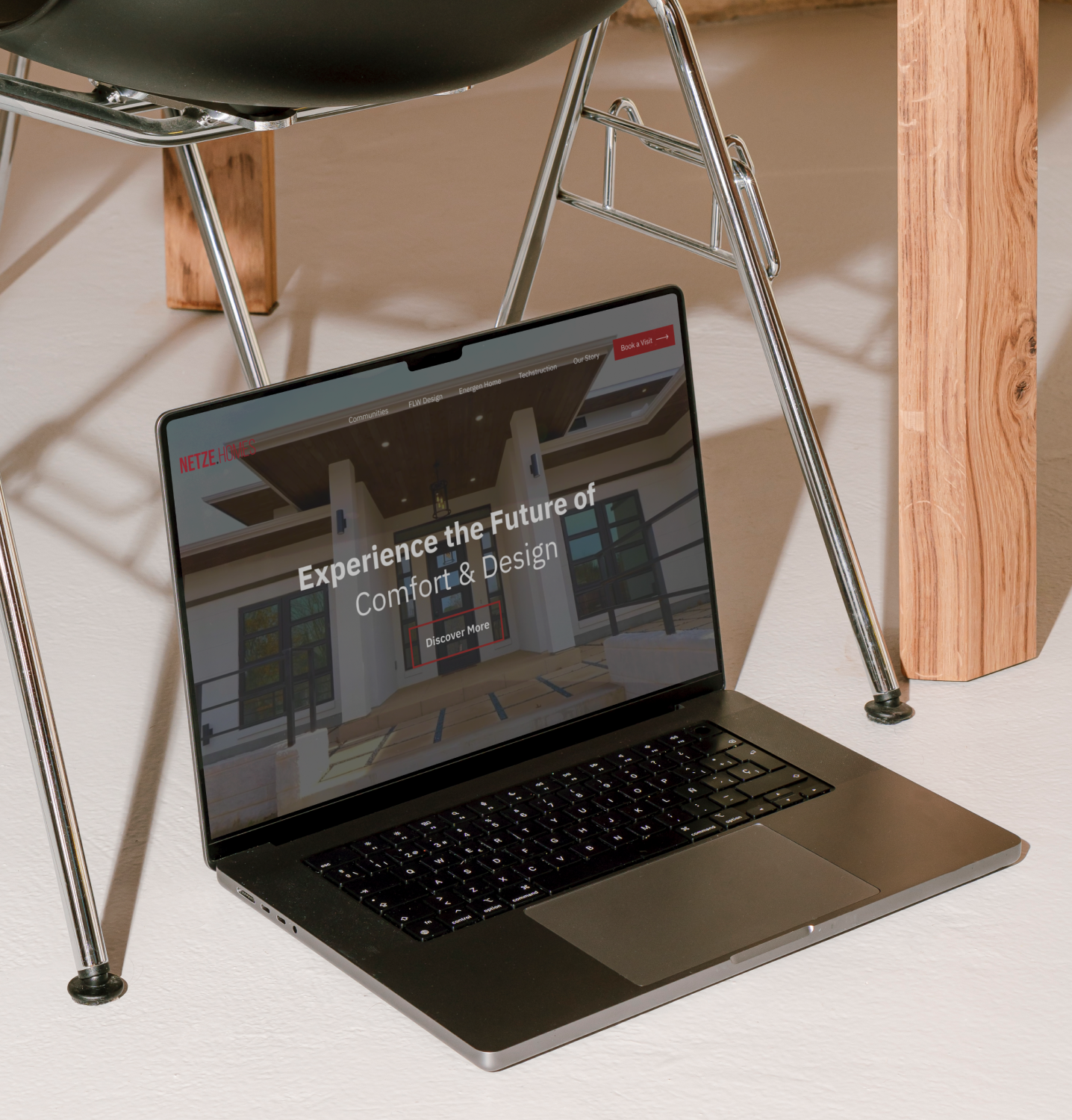
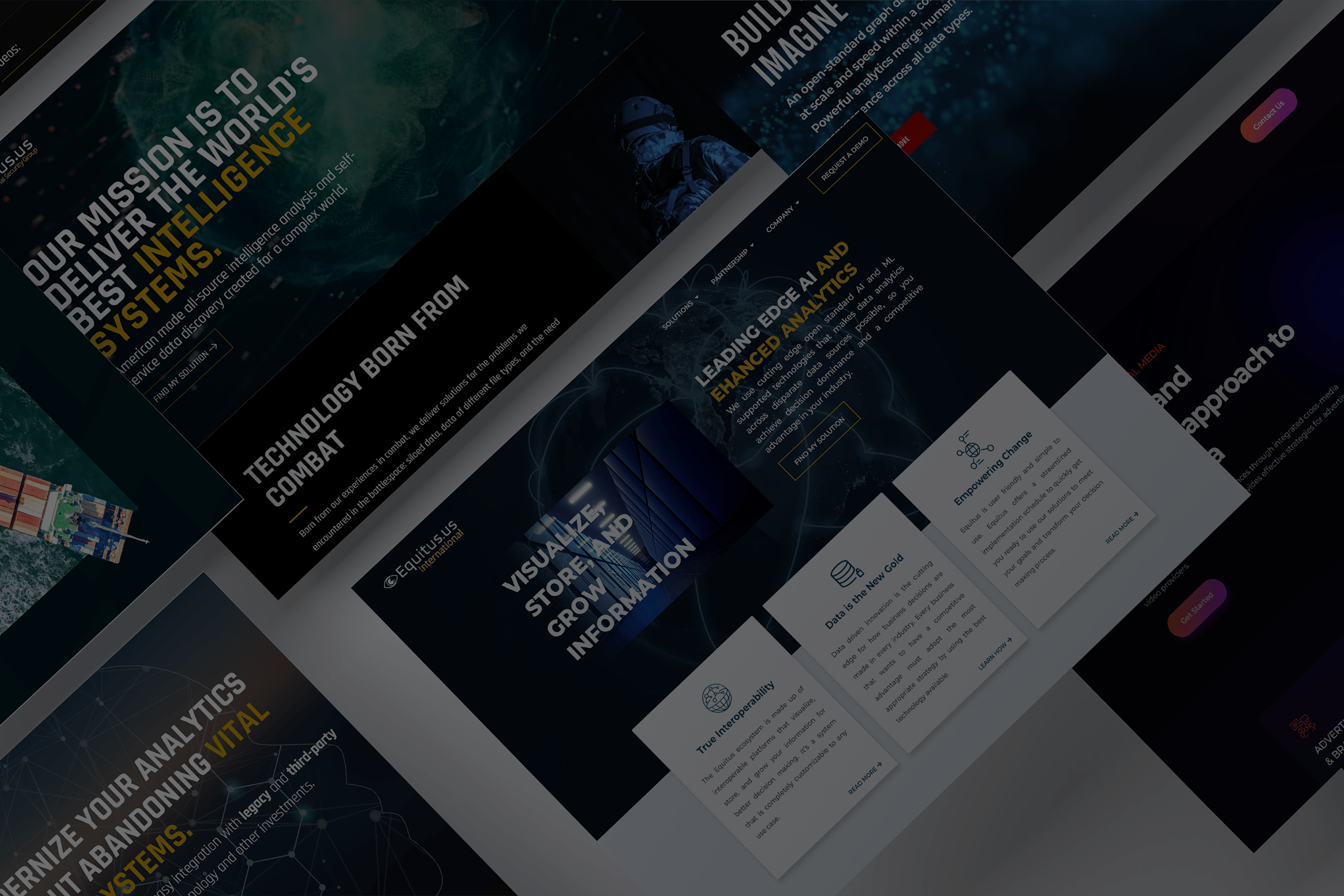
If part of the purchased package involves an online presence, the Creation phase includes the design and development of a website. The design team collaborates with web developers to create a user-friendly, aesthetically pleasing, and functional website. The goal is to provide an engaging online experience that reflects the brand and facilitates user interaction.
3. Graphics for Social Media:
Social media is a powerful platform for brand visibility and engagement. The design agency creates graphics optimized for various social media platforms. This includes designing visually appealing posts, cover images, profile pictures, and other assets that align with the brand's messaging and resonate with the target audience on each specific platform.
4. Optimization for Different Channels:
Different marketing channels have unique requirements. Whether it's print materials, digital advertisements, or social media graphics, the design team optimizes the creative outputs to suit the specifications of each channel. This involves considering factors such as size, resolution, color profiles, and other technical requirements.
5. Quality Assurance and Iterative Refinement:
The Creation phase includes a robust quality assurance process. The design agency ensures that all assets meet high standards of quality, are free of errors, and align with the established brand guidelines. Feedback loops and iterative refinement processes are implemented to address any issues and make continuous improvements.
6. Client Collaboration and Approval:
Throughout the Creation phase, the design agency collaborates closely with the client to gather feedback and make necessary adjustments. Client approval is sought at key milestones to ensure that the design outputs align with the client's vision and objectives.
7. Delivery of Visually Appealing Solutions:
The ultimate goal of the Creation phase is to deliver visually appealing and impactful digital marketing solutions. This includes design assets that not only meet the strategic objectives outlined in the earlier phases but also captivate the target audience, differentiate the brand, and contribute to the overall success of the marketing campaign.

Building on research insights, this step defines the agency's unique value, target market, and digital design specialization. It involves creating a marketing plan, budget allocation, and establishing key performance indicators. This ensures effective positioning to attract clients and deliver design solutions. The steps goes as follows:
1. Defining Unique Value Proposition:
Building on the research insights, the design agency articulates its unique value proposition. This involves identifying what sets the agency apart from competitors — whether it's a particular design philosophy, a unique set of skills, or a specialized approach to certain industries.
2. Target Market Identification:
Identify and define the target market. This involves narrowing down the types of clients the company aims to serve based on factors such as industry, company size, geographic location, and specific design needs. By clearly defining the target market, the agency can tailor its messaging and design solutions to meet the unique requirements of its ideal customers.
4. Creating a Marketing Plan:
A comprehensive marketing plan is developed to promote the agency's services. This plan outlines the channels, messaging, and activities that will be employed to reach the target audience. It may include online and offline strategies such as social media marketing, content marketing, email campaigns, networking events, and more. The marketing plan is tailored to showcase the company's unique value and specialization.
5. Budget Allocation:
The strategy phase involves determining the budget required to execute the marketing plan effectively. This includes allocating resources for online and offline advertising, promotional materials, website optimization, and other marketing initiatives. The budget is aligned with the agency's growth goals and ensures that sufficient resources are allocated to reach and attract the identified target market.
6. Establishing Key Performance Indicators (KPIs):To measure the success of the strategy, the agency establishes key performance indicators (KPIs). These metrics may include client acquisition rates, website traffic, social media engagement, conversion rates, and other relevant benchmarks. By defining KPIs, the agency can track progress, identify areas for improvement, and make data-driven decisions throughout the implementation of the strategy.
7. Positioning for Client Attraction:
The strategy phase aims to position the agency effectively in the market to attract the right clients. This involves crafting a clear and compelling brand message, refining the agency's visual identity, and ensuring consistency in all marketing materials. The goal is to create a strong and memorable brand presence that resonates with the target audience.
8. Delivering Design Solutions:
The ultimate objective of the strategy phase is to align the agency's positioning with its ability to deliver high-quality design solutions. The strategy serves as a guiding framework for the design team, ensuring that their work reflects the agency's unique value proposition and meets the specific needs of the target market.
.png)


Let's do something amazing.